We value your privacy
This website uses technical, functional and analytical cookies that do not infringe on your privacy.
General purpose platform session cookies are usually used to maintain an anonymised user session by the server.


ID: Photo of the front of a new Specialist Disability Accommodation house in Nuriootpa.
Looking for Specialist Disability Accommodation in Nuriootpa? Finding a suitable home involves more than checking whether a room is available. It means considering how the space works for you, what support you need and whether the location helps you stay connected to the people and places that matter. My Ability Pathway’s current vacancies page lists High Physical Support SDA in Nuriootpa, with housing provided by New Dawn Housing and Supported Independent Living supports delivered by MAP. If you are exploring your next move, here is a starting point for learning about the home and asking the questions that matter to you. Availability can change, so please contact MAP to confirm current vacancies and suitability.
Watch the Nuriootpa SDA video below as a starting point for exploring the home. As you watch, note what you would like to ask about or see during a visit. A video can help you prepare questions, but it cannot confirm whether a home will meet your individual accessibility, equipment or support needs.
MAP’s Nuriootpa vacancy listing describes a purpose-built High Physical Support home with modern accessible design, spacious shared living areas and a private bedroom with an ensuite. It also identifies proximity to local services and community facilities. These features are worth considering in relation to your own routines. How would you move between your bedroom, bathroom and shared spaces? Where would you spend time with visitors? What would help you take part in household activities in the way you prefer? The NDIS describes High Physical Support housing as including a high level of physical access for people who need very high levels of support. That category does not tell you every detail of an individual property. Ask which equipment and technologies are installed, which are provisions for future installation and what would need to be arranged for you.
New Dawn Housing is identified as the housing provider, while MAP provides the Supported Independent Living services. MAP’s listing describes 24/7 SIL support at the Nuriootpa home. Your individual assistance, overnight arrangements and any shared supports still need to be discussed; 24/7 support does not automatically mean continuous one-to-one assistance. SDA relates to the specialist home, while SIL relates to assistance or supervision with daily tasks. They are separate supports, and SDA funding does not include personal care or SIL. For an introduction, read MAP’s guide to SDA and SIL. Ask for clear information about the housing agreement, support agreement, charges and who to contact about each aspect.
For someone who wants to live in the Barossa, location may be an important part of the decision. Consider the people you want nearby, the appointments you attend and the places you enjoy visiting. Rather than relying on the phrase “close to services”, ask about the actual journey: transport, accessible routes, travel time and any assistance required. Your home should be considered alongside your wider life. Shared living also deserves discussion. Ask about the proposed household, privacy, visitors and how different routines can work together, while respecting other residents’ confidentiality.
SDA is for eligible NDIS participants with extreme functional impairment or very high support needs. A listed vacancy does not establish eligibility or guarantee that the property matches your approved funding and circumstances. Your support coordinator or chosen supporter can help you gather questions and understand the information provided. The NDIA explains that SDA residents pay a reasonable rent contribution and other day-to-day living costs, such as electricity. Request a clear breakdown of the costs for this particular home before deciding. There is no need to work through every question alone, but your preferences should remain central throughout.
If you would like to explore the Nuriootpa SDA vacancies, view the New Dawn Housing property listing on Housing Hub, check MAP’s current vacancies or contact MAP to ask about availability and a possible viewing. Call 08 8563 2569 or email ndis@myabilitypathway.org. Whether you are making an enquiry for yourself or supporting someone with their permission, the starting point is the same: what would make this a suitable home for the person who will live here?
Contact MAP to confirm Nuriootpa SDA availability, discuss your needs and ask about a viewing.

ID: photo of a client and support worker smiling at the camera.
A home can have wide doorways, a suitable bathroom and a bedroom you like, yet still leave an important question unanswered: what would living here actually be like? When you are exploring supported living, the building is only part of the decision. Daily routines, privacy, housemates, support arrangements and connection to familiar places all shape whether a home fits your life. A viewing is an opportunity to consider these things, not a test you have to pass or a decision you must make on the spot.
Supported living is a broad expression, not one NDIS funding category. Supported Independent Living (SIL) funds assistance or supervision with daily tasks at home for people with substantial support needs. Specialist Disability Accommodation (SDA) is specialist housing for eligible people with extreme functional impairment or very high support needs. Some people have both; they are not interchangeable. SIL does not pay ordinary expenses such as rent or groceries. You can read MAP’s guide to SDA and SIL for an introduction. Before considering a particular property, ask which home-and-living options may suit your circumstances and what your plan actually includes.
Think about a weekday morning rather than only the best features of the house. When do you like to wake up? How do you prefer meals to happen? What assistance do you need, and how do you communicate when something is not right? Ask how individual routines would work alongside shared support. Discuss what happens when two people need help at the same time, how overnight assistance is arranged and how changes are communicated. These questions help clarify the proposed arrangement; they do not assume that every request or staffing pattern can be accommodated.
Compatibility involves more than similar ages or support needs. Quiet evenings, visitors, pets, cooking, music and use of shared rooms can all matter. You do not need to become close friends with everyone you live with, but you do need space for your own preferences and privacy. Ask how potential housemates are introduced and how everyone’s views are considered. Any information shared should respect the other residents’ privacy. A hypothetical example: someone who enjoys a quiet breakfast may find a busy shared kitchen difficult. Discussing timing and access before a move is more useful than assuming everyone will adapt to one routine.
Ask who provides the housing, who delivers support and which agreement covers each responsibility. Request information you can understand about charges, notice periods, repairs, complaints and changing arrangements. The NDIS Commission’s SIL standard on tenancy, housing and support sets expectations for clear arrangements that distinguish housing from SIL supports and support informed decisions. It is not a substitute for advice about your particular tenancy. Ask what would happen to your housing if you wanted to change your support provider. If an answer is unclear, seek independent advice before signing rather than relying on a verbal assurance. A trusted supporter or independent advocate may help you prepare questions.
A nearby café is only useful if you can get there in a way that works for you. Consider the journey to friends, family, shops, health appointments and activities you already value. In the Barossa and Adelaide’s northern suburbs, compare actual travel arrangements rather than distance alone. Ask about accessible transport, timing, costs and the availability of support to make the trip. A home should be considered in the context of your wider life, not as a reason to start every relationship and routine again.
If exploring a move feels right, ask whether further visits or introductions can be arranged. They may not always be possible, and any costs or funding need to be clarified. With your consent, relevant information about communication, equipment and support needs can help the people involved prepare. Agree who will coordinate next steps and when you will discuss how things are going. Families and support coordinators can help organise information while keeping your preferences central. If people disagree, write down the different concerns rather than allowing the most confident voice to settle the decision.
You do not need all the answers at the first viewing. What matters is having enough clear information and appropriate assistance to make an informed decision. MAP provides SIL supports and works with housing providers in the Barossa. If you are beginning to explore local options, visit MAP’s Barossa SDA information page or contact MAP with your questions. Availability, suitability and funding need to be considered individually.
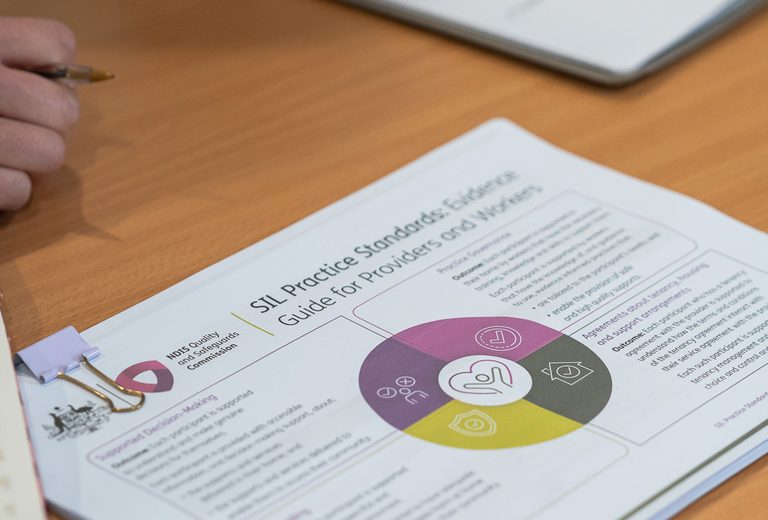
ID: Photo of a print out of the new SIL Practice Standards.
There has been a lot of conversation recently about the newly released Supported Independent Living (SIL) Practice Standards.
Introduced by the NDIS Quality and Safeguards Commission, the standards are designed to uphold the rights, safety and wellbeing of participants who receive SIL supports. People with SIL funding often receive support for most, or all, of the day, including overnight support.
The introduction of these standards also sits alongside new registration requirements for NDIS providers offering SIL supports. The standards came into effect on 1 July 2026, with providers needing to have mandatory NDIS registration in place, or have applied for it, by 1 October 2026.
The SIL Practice Standards are made up of four key areas: Supported Decision-making, Safeguarding, Practice Governance, and Agreements about Tenancy, Housing and Support Arrangements. Together, these areas are designed to support:
While there is a compliance element to the standards, and providers will be audited against them, these areas go deeper than meeting requirements. They are about strengthening quality, consistency and person-centred outcomes for participants.
Each area includes a dedicated intent, individualised quality indicators, and statements around expectations and outcomes. These can be viewed on the NDIS Commission website.
For participants, families and support networks, these benchmarks can also help build a clearer understanding of what quality supports should look like in a SIL setting.
Supported Decision-making: Ensures participants are supported, where needed, to make decisions about their own lives, rather than having decisions made for them.
Safeguarding: Outlines how SIL providers work to keep participants safe from harm, abuse, violence and neglect, while respecting choice, dignity of risk and individual decision-making. It also ensures SIL workers have the skills to identify and respond to signs of harm using a person-centred, trauma-informed approach.
Practice Governance: Sets out how providers are responsible for creating and maintaining safe living environments, supported by practice leadership, clear processes and good governance.
Agreements about Tenancy, Housing and Support Arrangements: Ensures providers have clear agreements in place that distinguish SIL supports from tenancy or housing arrangements. It also outlines how participants are supported to make decisions about who they live with, how support is delivered, and how changes can be made.
The quality indicators for each area map out the key, measurable criteria needed to demonstrate the outcomes of the SIL Practice Standards.
The NDIS Commission has shared resources to help participants, families, support people, providers and teams understand the SIL Practice Standards. These can be found here.
At MAP, we will continue to share updates and take a deeper look into each area of the SIL Practice Standards over the coming months, so keep an eye out.
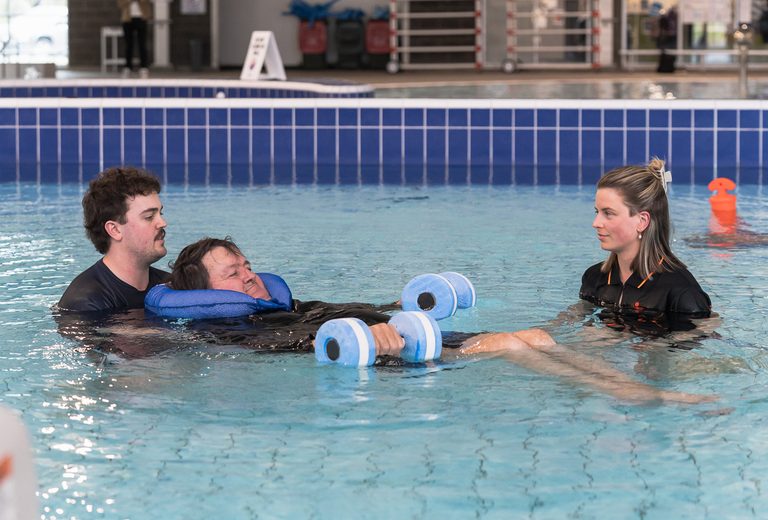
ID: A photo of Ian at The Rex Barossa Aquatic Fitness with Physiotherapist Aaron (left) and My Ability Pathway Service Delivery Lead Brooke (right).
For Ian, hydrotherapy is about more than exercise. It is time out of the house, time away from the routines of everyday life, and an opportunity to move in a way that feels more possible.
Supported by his My Ability Pathway team and guided by Aaron from Tanunda Physiotherapy, Ian has been attending hydrotherapy as part of his broader therapy routine. Together, they are working toward a goal that holds deep meaning for him: walking.
When asked what walking again would mean to him, Ian’s answer was simple: “A lot. I used to do a lot of it.”
Hydrotherapy uses the warmth, buoyancy and support of water to help people move with less pressure on their joints. For Ian, the water provides a space where exercise can feel more achievable than it does on land.
“When the water’s fairly warm it’s beautiful,” Ian said. While he is still working toward getting more movement and strength back in his legs, hydrotherapy has become an important part of that process.
Ian’s support worker Ryan has seen the difference that consistent therapy is making. “Since I’ve started working with you, you’ve definitely got more flexibility in your legs,” Ryan said. “You can straighten up a lot more than you used to.”
That progress matters. For many people, therapy is not about one big moment of change. It is about small improvements over time: a little more movement, a little more confidence, a little more comfort, and the support to keep going.
Ryan supports Ian to get to and from hydrotherapy, helping make the routine possible. For Ian, this practical support means he can continue accessing therapy, stay connected to his goals and take part in something he enjoys.
“It gets me out of the house,” Ian said. “It’s much easier to do the exercises in the water than it is on dry land.”
That sense of enjoyment is just as important as the exercises themselves. When supports are built around a person’s goals, interests and daily life, therapy can become something meaningful rather than just another appointment.
Aaron, Ian’s physiotherapist from Tanunda Physiotherapy, has been supporting Ian through a mix of hydrotherapy and land-based therapy. He has seen how the water can create opportunities that may not be available in other environments.
“The hydrotherapy is definitely fantastic for Ian,” Aaron said. “He’s allowed to do a lot more things in the water than he might not be able to do on land, and it’s an opportunity to just relax a little bit as well, just get out of the chair and move a little bit more freely in the water.”
For Ian, this combination of movement, relaxation and support is helping him continue working toward his goals. Each session is another step in building flexibility, confidence and capacity.
At My Ability Pathway, support looks different for every person. For some people, it might be building independence at home. For others, it might be reconnecting with community, learning new skills or working toward mobility goals. For Ian, hydrotherapy is one part of a bigger journey – one guided by patience, encouragement and the belief that every step forward matters.
And while Ian is clear that he is still working toward where he wants to be, he is also clear about what keeps him going: the chance to move, to get out, and to keep working toward walking again.
Progress can take time, but with the right team and the right supports around him, Ian is continuing to move forward – in the water, on land, and toward the goals that matter most to him.
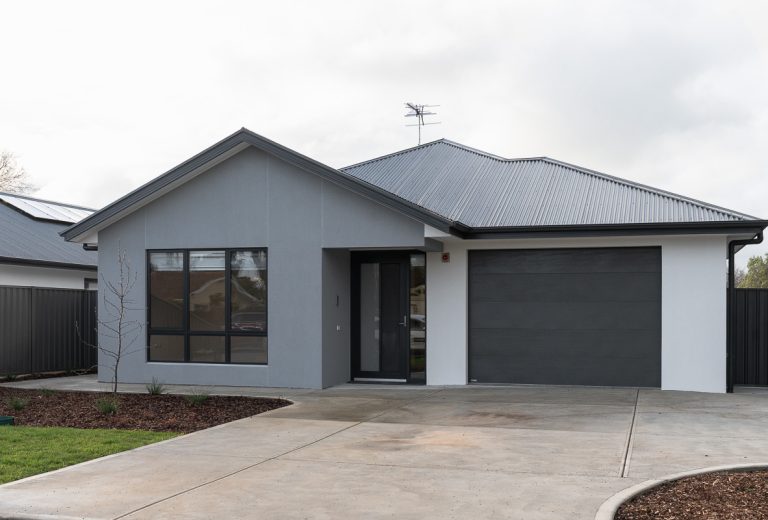
ID: Photo of the front of a modern SDA home in Tanunda.
Finding the right home can be life-changing. For people with disability, a home that is safe, accessible and designed around individual needs can create new opportunities for independence, confidence and connection.
In the heart of Tanunda, three new Specialist Disability Accommodation (SDA) dwellings are helping create that opportunity. Built by Metcalf Group (SA), with Metcalf Inclusive Living as the registered SDA Provider, these purpose-built homes have been thoughtfully designed to support people to live with greater comfort, choice and dignity.
My Ability Pathway provides the Supported Independent Living (SIL) supports within the homes, working alongside residents to build daily routines, develop skills, participate in their community and live as independently as possible.
Each Tanunda SDA dwelling has been created with accessibility at the centre of its design. The homes include large bedrooms with individually controlled heating and cooling, allowing each resident to enjoy their own level of comfort throughout the year. Every bedroom also includes a modern, fully accessible ensuite, supporting privacy, dignity and ease in everyday routines.
Shared living has also been carefully considered. With two separate living areas and a generous undercover alfresco, residents have space to spend time together, welcome family and friends, or enjoy quiet moments in a more private setting.
Accessibility continues throughout the entire property. From the kerb through to the alfresco area, clear and continuous pathways support safe and easy movement for wheelchair users. Practical features, such as an accessible front entry door with an integrated sliding screen, help make the homes welcoming, functional and easy to live in.
Built to the High Physical Support SDA Design Standard, the homes include provisions for future ceiling hoists, automated doors and blinds, and the installation of handrails. These features mean the environment can be adapted as a person’s support needs change over time, helping residents feel secure in a home that can continue to support them into the future.
Soft ambient hallway lighting has been installed to improve visibility in the evening while creating a warm, calm atmosphere. In the kitchen, accessible design features include an adjustable-height benchtop, provision for adjustable overhead cupboards and a side-opening oven, supporting residents to take part in daily living tasks with greater ease and confidence.
Located in Tanunda, the homes offer a balance of quiet residential living and connection to local services. Foodland, pharmacies, cafés and shopping are only a short drive away, while Tanunda Hospital is located nearby. For residents, this means everyday essentials, health services and community activities are within easy reach.
Safety and sustainability have also been considered throughout the design. A commercial fire sprinkler system, monitored by the Metropolitan Fire Service, provides added peace of mind for residents, families and support providers. Solar panels and battery storage support improved energy efficiency, while landscaped gardens with automatic irrigation create an attractive, low-maintenance outdoor environment to enjoy throughout the year.
SDA and SIL often work together, but they are different parts of a person’s NDIS support. SDA refers to the physical home – the purpose-built dwelling designed for people with significant functional impairment or very high support needs. SIL refers to the support a person receives to live as independently as possible, including help with daily routines, personal care, skill development and community participation.
In Tanunda, Metcalf Group (SA) has built the SDA dwellings, Metcalf Inclusive Living is the registered SDA Provider, and My Ability Pathway provides the Supported Independent Living supports. Together, these roles help create homes where residents can feel safe, supported and truly at home.
If you would like to learn more about Specialist Disability Accommodation, the difference between SDA and SIL, or the current vacancies, click here for more information and to submit an expression of interest or click the button below.
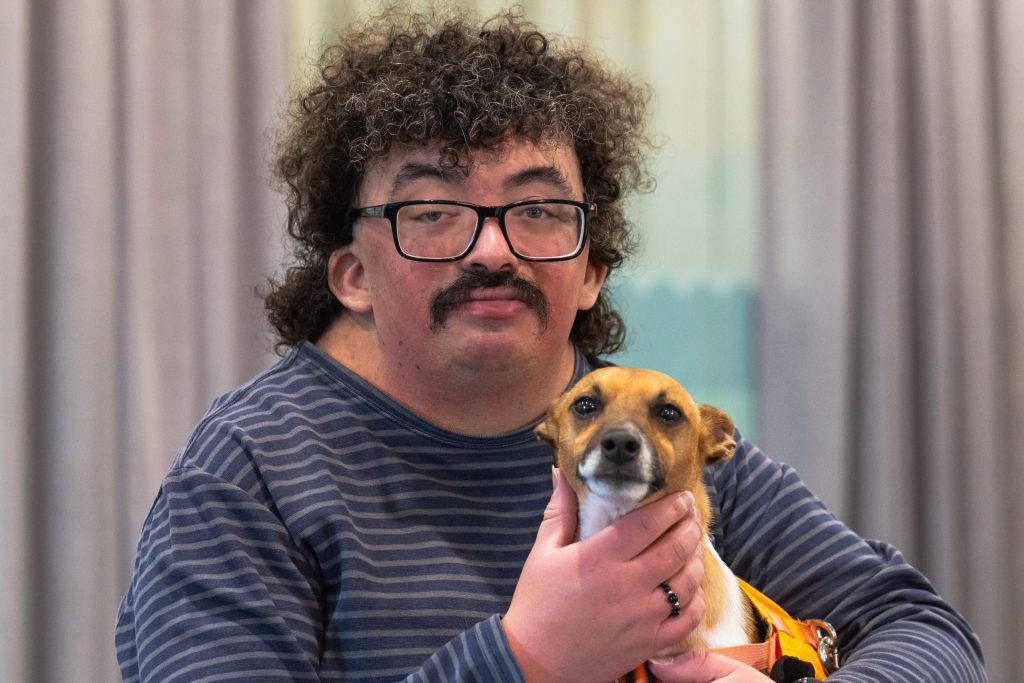
ID: Man sitting and facing the camera holding his pet dog.
For Malcolm Smith, independence doesn’t mean doing everything alone.
Instead, it means having the right support to live life on his own terms.
“There’s two types of independence,” Malcolm explains. ” Independence with help has been very much appreciated.”
Today, Malcolm lives independently with his dog, Bo, in a home that’s filled with routine, purpose and the confidence to enjoy everyday life. It’s a life that wasn’t possible before accessing support through the NDIS.
For Malcolm, support isn’t about someone taking over. It’s about having someone there when he needs it.
Whether it’s preparing healthy meals, attending medical appointments, getting out into the community or trying something new, having trusted support workers has helped Malcolm maintain his independence while building new skills and confidence.
“I’ve been able to cook better meals,” he says. “Just having someone with me when I need it to take me to doctor’s appointments and take me around if I want to go somewhere.”
His week is now full of activities that bring connection and enjoyment. Mondays are spent at an art group. Wednesdays are for cooking. Thursdays include water aerobics with one of his support workers, while Fridays are another opportunity to prepare a hearty meal. Monthly group dinners and social outings provide even more chances to connect with others, and weekends are often spent catching up with family.
These are things Malcolm says simply weren’t part of his life before.
“Yes,” he says. “I couldn’t do these things before.”
Before receiving NDIS supports, Malcolm spent many years living with chronic migraines that significantly impacted his daily life.
“For about 10 years I was mainly alone, very isolated,” he says. “Because of the pain… I wasn’t doing any of that. I wasn’t happy.”
The combination of physical health challenges and isolation meant everyday activities became difficult, and social connection was limited.
Today, life looks very different.
Support through the NDIS has helped Malcolm access community activities, maintain his home with the assistance of a cleaner, and receive equipment that has made a real difference to his independence.
A new mobility scooter has made shopping easier and given him the freedom to take Bo for walks.
“My new gopher has been extremely helpful with taking Bo on his walks,” Malcolm says. “And now I have something that helps me go to the shops better.”
It’s these practical supports that have opened the door to greater independence and a more connected life.
When asked what the right support means to him, Malcolm’s answer is simple.
“The right support is the ability to be yourself,” he says.
“To have someone help you be yourself and help you do your daily activities. And someone who pushes you – only a tiny little bit,” he says. “I don’t like to be pushed too much, only a tiny bit to do something different.”
That balance of encouragement and respect has helped Malcolm grow in confidence while remaining in control of his own life.
For Malcolm’s mum, Carolyn, watching her son’s confidence grow has been one of the greatest rewards.
“As a parent I am so relieved to have the supports in place through the NDIS because it has taken so much pressure off me,” she says.
After raising Malcolm and his sister on her own following the loss of Malcolm’s father when he was young, Carolyn spent many years as his primary support.
Today, she sees a very different Malcolm.
“It’s been fantastic as a parent to see Malcolm be able to grow through the NDIS and My Ability Pathway,” she says.
“The people who come in and support him are really caring and kind people, and I think that’s really important.”
Perhaps the biggest change has been Malcolm’s confidence.
“He was very scared in the beginning of having people coming into his home,” Carolyn recalls. “Now he’s really happy to have people come in. In the past he would never open the door, wouldn’t answer his telephone, and now to see his confidence grow… I’m just proud of the person he has become.”
Malcolm’s story is a reminder that independence looks different for everyone.
Sometimes, independence means asking for help. It means having people around who encourage you, respect your choices and provide the support you need to live the life you want.
With the right supports through the NDIS, Malcolm has gone from years of isolation to a life filled with connection, routine, confidence and choice.
And for Malcolm, that’s exactly what independence means.
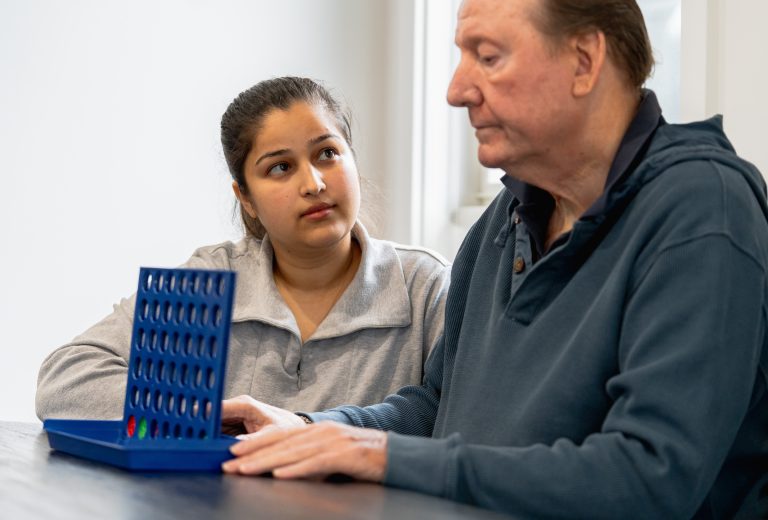
ID: A women carer sitting at a table with a man playing connect four.
At My Ability Pathway, every team member brings a unique story, shaped by experiences that fuel their passion for supporting others. For Smriti, her journey into the disability sector is rooted deeply in compassion, family, and a desire to make a meaningful difference.
Before joining MAP, Smriti worked in the aged care sector, where she developed a strong commitment to supporting vulnerable communities. Her connection to care, however, began much earlier.
“I used to live with my grandparents because my Mum & Dad were both abroad, so that has pushed me to this point,” she shares.
That early experience instilled a natural sense of empathy and responsibility – qualities that continue to shape the way she supports participants today. Transitioning into her role at MAP felt like a natural step, allowing her to expand her impact while continuing to grow personally and professionally.
“Especially joining MAP, it has helped me with personal growth… it’s been really empowering.”
For Smriti, one of the most rewarding aspects of working in the disability sector is the constant sense of variety and progress. No two days are the same – and that’s exactly what keeps her motivated.
“Every day is different, that’s for sure,” she says.
But it’s the small, meaningful milestones that leave the biggest impression. Watching participants build confidence and independence over time is what makes the work truly fulfilling.
“I like seeing how the clients are more confident in what they are doing… it’s nice to see them build their confidence over time.”
Smriti describes her role not as being at the forefront, but as standing just behind participants – supporting, encouraging, and celebrating their achievements.
“It’s nice to just be in the background and look at them reach those goals.”
Working in the disability sector isn’t just about supporting others – it’s also a journey of self-growth. Smriti believes the impact goes both ways, leaving lasting changes not only in the lives of participants but also in those who support them.
“If you want something that’s really, really rewarding and fulfilling and you want to make changes in lives, including your own, then I’d say that the disability sector is that.”
Smriti’s story reflects what so many MAP team members experience – purpose-driven work that empowers both participants and support workers alike. Through compassion, consistency, and connection, meaningful change becomes possible every day.
Her journey is a powerful reminder that growth doesn’t always happen in big, dramatic moments. Often, it’s found in the quiet progress, the steady confidence-building, and the shared wins along the way.

ID: Two men walking towards the camera. The man on the left has Down Syndrome.
For Dave, working in the disability sector was never just about finding a job – it was about finding something that meant more.
Like many, his journey started with study. While completing a Certificate III in Individual Support (Ageing and Disability) through TAFE, Dave was introduced to My Ability Pathway (MAP) during a presentation. What stood out wasn’t just the information – it was the feeling he got about the organisation itself.
“I thought they seemed very, very professional,” Dave says. “So I thought, I’ll give them a buzz and see if there is the possibility of a job.”
That one decision turned into the beginning of a career.
Dave joined MAP as a Support Worker while still studying – an opportunity that gave him immediate, real-world experience in a role built around people, not just tasks.
What drew him in initially still holds true today.
“Their professionalism and their 1:1 care really appealed,” he says. “And they had friendly staff.”
It’s a simple observation, but one that reflects something deeper about the work – the importance of genuine connection and consistency in support.
Because at its core, this industry isn’t about ticking boxes. It’s about showing up for someone else.
Within just six months, Dave transitioned into a Key Worker position – a natural progression that reflects both his commitment and the opportunities available within the sector.
His role has since expanded beyond direct support into leadership and coordination.
“I’ve had a little bit more hands on with administration… helping teach other workers and running the house day to day,” he explains. “A lot of paperwork – it’s a good challenge.”
It’s a shift that highlights something often overlooked: growth in this sector doesn’t mean stepping away from people – it means finding new ways to support them, while also supporting your team.
Ask Dave what he enjoys most about his role, and his answer is immediate.
“Probably a bit of the teaching and making a difference to other people’s lives.”
There’s a quiet honesty in that response. It speaks to the heart of disability support – that the reward isn’t about recognition, but about impact.
It’s about what you can give.
And that perspective shapes how Dave sees the work as a whole.
“Any of us could be in that position at any time,” he says. “It’s nice to know that there are caring people out there.”
For anyone considering a career in the sector, Dave’s advice is simple:
“Definitely jump at it – because it’s very rewarding. Not just for yourself, but for the clients as well.”
It’s a reminder that this kind of work asks something of you – your time, your patience, your empathy – but it also gives something back that’s hard to find elsewhere.
A sense of purpose.
A chance to grow.
And the opportunity to make a real difference in someone’s everyday life.
Because in the end, it’s not about the job title.
It’s about the impact you leave behind.
If you have experience as a Support Worker in aged care or disability and are looking for the stability of a rostered line of 38+ hours per week, we’d love to hear from you. Explore current opportunities and apply via My Ability Pathway Careers.

ID: A photo of a women and a man smiling.
Across three very different journeys, a common thread emerges: sometimes the most meaningful careers begin in unexpected places. For three of the MAP team, the path into disability support didn’t start in healthcare or community services—it started in the fast-paced, high-pressure world of commercial kitchens.
As chefs, Subi, Lana and Chris mastered long hours, intense environments, and the art of staying calm when everything around them demanded urgency. Over time, each of them was pulled toward something more sustainable, more balanced, and ultimately, more purposeful.
Drawn to disability support by a deep motivation to connect, to care, and to make a tangible difference in people’s lives, the diversity of career experience amongst MAP’s team showcases how transferable skills like resilience, organisation, and empathy opens doors to an entirely new career.
As chefs, Subi, Lana and Chris were accustomed to long hours, and busy weeks. “I used to be working sixteen-hour shifts,” Subi says. “It was very intense.”
Transitioning into disability support offered not just a change of role, but a shift in lifestyle. “I used to be a chef for seven years,” Chris reflects. “But then three years ago I got married … and I couldn’t balance my work/life.” Being able to prioritise time with family, the transition to the disability industry offered increased flexibility and structure. This has led to a renewed sense of balance and wellbeing, Importantly, this balance didn’t come at the cost of fulfilment—quite the opposite.
“I decided to pursue opportunities that would provide a better work-life balance,” Lana says. “And I find the work highly rewarding. Seeing the smiles on the clients’ faces brings me daily joy and a real sense of fulfillment in my work.
Subi agrees. “To see people smiling, a smile on their face is all we want. That’s the most satisfying thing in this role.”
“Being a chef was a very demanding job,” Subi remembers. “Disability is not an easy industry either. But it’s a very fulfilling job. You can make a difference in people’s lives.”
Despite leaving the kitchen behind, none of our team started from scratch. In fact, their hospitality experience became a strong foundation for success in support work. Working under pressure is a critical strength, as Chris highlights: “It’s pretty demanding working in the kitchen. I moved to a pub in Melbourne; in the first weekend we did 4000 meals. But I was calm and focused. That’s one thing that I bring into this sphere. Then I started as a support worker. For the first time, I was greeted when I walked into a job. By the client. That felt different for me. It’s very rewarding.”
“I can handle pressure and be calm,” Subi agrees. “I’m very good at dealing with people.”
Organisational skills and time management are other key things our team attribute to their time in the kitchen. As Lana shares, “My strong organisational and time management abilities enable me to stay on task and ensure that all responsibilities are completed efficiently for my clients.”
For Subi, Lana and Chris, the move into disability support work initially seemed like natural stopping point. However, all three describe their experiences with MAP opening doors to leadership opportunities and career progression—an often overlooked avenue in support work.
“I never thought of being in a leadership role of being a Key Worker,” Chris says. “I took it because working with different clients changed my mind. I’m almost a year into the leadership role and now I believe that I’m the perfect fit.”
“I did not initially see myself progressing into more senior roles,” Lana agrees. “However, my commitment to my clients grew and I developed a strong desire to do more. As a result, stepping into a higher-level role became a natural progression in my career.”
Subi shared a similar experience, and adds, “If you have the right team around you, it gives you confidence, it helps you to see the things that you have not discovered by yourself.”
The strongest theme shared is the emotional impact of support work. These moments capture what makes disability support unique—the ability to see, feel, and be part of meaningful change in someone’s life.
While deeply fulfilling, all three acknowledged that the work comes with challenges and requires the right mindset. “If you’ve got … a good attitude and you feel empathy and you want to do something rewarding, I would definitely recommend disability support work,” Chris says.
“Stepping into disability support work is both a meaningful and rewarding journey,” Lana agrees, while Subi says, “If you do the right thing, it can make an impact on people. There was a client with us, we had a very hard beginning with him. The whole team could see the difference in his life, the positive impact our support had on him. That hit me hard.”
Chris, too, shares a highlight moment in his journey so far. “I have my client who doesn’t speak at all, speak for about two minutes. Twice! I just laughed and cried, I was so over the moon, it was very rewarding.”
For Lana, this experience comes often. “Since joining MAP, I have experienced this feeling many times. The growth I have seen in our clients—their increased confidence and capacity building—is truly remarkable.”
From the intensity of the kitchen to the impact of disability support, Subi, Lana and Chris’s stories celebrate change and finding meaningful work that supports not just their clients, but also themselves. They’re united by where they came from, as well as where they’ve arrived: roles grounded in empathy, purpose, and connection.
For anyone considering a similar move, their experiences offer a simple but powerful message—your skills are more transferable than you think, and the right opportunity can lead to professional growth and a deeper sense of fulfilment in both work and life.
If you have experience as a Support Worker in aged care or disability and are looking for the stability of a rostered line of 38+ hours per week, we’d love to hear from you. Explore current opportunities and apply via My Ability Pathway Careers.
Barbara Lightburn

ID: A woman playing Yahtzee
Many people see turnover in the disability sector as a problem that organisations should always try to fix. However, the reality is more complex. In our industry, the work is demanding. Supporting people with disability requires emotional resilience, strong teamwork, and a commitment to consistently high standards. It is meaningful work, but it is not easy work. Because of this, not every person who enters the sector will find the right fit in every organisation. And that’s OK.
At MAP, we recognise something important about culture: alignment matters more than retention at any cost. Sometimes, the best outcome for both the organisation and the person is realising that the environment is not the right fit. Leaving when values do not match is not a failure. It is clarity.
Too often, turnover is treated purely as a recruitment problem. Organisations focus on hiring faster, filling rosters, or increasing retention at any cost. But a leadership lens asks a different question: what is turnover telling us about the organisation itself?
Sometimes turnover signals problems in systems, leadership, or support. But at other times, it simply reflects a natural process of cultural alignment. When organisations are clear about their expectations and values, people are better able to decide whether that environment is the right fit for them. In this sense, turnover can be a sign that culture is becoming clearer, not weaker.
The disability sector experiences higher workforce turnover than many other industries. Research on the NDIS workforce suggests annual turnover rates of around 17–25%, compared with an average of about 12% across all sectors.
There are several reasons for this. The work can be emotionally demanding. Team members support people through complex situations and must respond with professionalism, patience and consistency. At the same time, participant needs, schedules and circumstances can change quickly.
Many people join the sector because they want to help others, which is a powerful motivation. However, delivering high-quality services also requires strong teamwork, accountability and the ability to work within clear systems.
When expectations are unclear, people can feel frustrated or disconnected from their roles. Clear expectations help people understand how to succeed.
This is why culture matters.
Many organisations describe their culture with words like compassion, respect, or teamwork. But real culture is not just about posters or slogans. Culture is defined by how decisions are made, how people behave and what standards are reinforced every day.
At MAP, we use the MAP Way of Working, or WoW, to make our culture clear and visible. The WoW gives us a shared way of working together. It guides decisions, sets clear expectations for behaviour, and helps leaders keep standards consistent across the organisation.
A key idea behind the MAP Way of Working is simple:
Quality you can feel starts with standards you can see.
People should not have to guess what good looks like. Expectations should be clear, practical and consistently applied.
We also believe that quality does not happen by accident. Great services are engineered. Participants and families should not have to hope for a good shift or a great support worker. The system should create that consistency.
As we often say at MAP:
People shouldn’t have to hope they get a good shift — the system keeps the promise.
This approach moves responsibility from chance to careful planning. When systems are strong and expectations are clear, both team members and participants benefit.
Strong teams work best when everyone knows what is expected of them.
At MAP, we focus on behaviours like:
One leadership principle we teach is “no surprises.”
When issues come up, we encourage people to speak up early so they can be fixed quickly. Small problems are easier to solve than big ones. This mindset is captured in another MAP leadership phrase:
Early flag. Fast fix.
Raise concerns early, while they are still small and easy to manage. Then act quickly to solve them. This approach helps prevent last-minute crises and builds a culture where people feel responsible for solving problems instead of avoiding them.
In healthy teams, accountability is not about punishment. It is about showing respect. When people hold each other accountable, they recognise that their actions affect the team, the organisation, and the people we support.
Peer-to-peer accountability is often the most powerful form of accountability. Team members help each other stay on track because they care about shared standards and outcomes. Holding someone accountable means you care enough about them and the team to have an honest conversation.
We strongly believe that everyone has hidden potential. The role of leadership is to create the environment where that potential can emerge. Empowering people does not mean lowering expectations. In fact, it means the opposite.
People grow when they have high expectations and clear support. When team members know what is expected and feel that leaders believe in them, they are more likely to step up, take ownership, and contribute fully to the team.
Even with clear systems and strong leadership, not everyone will feel that the organisation’s culture is right for them. Some people prefer workplaces with less structure or accountability. Others may find that disability support work is different from what they first thought. When this happens, it is important to be honest.
Organisations should not lower their standards just to reduce turnover. Doing this can weaken the culture and affect the quality of services for participants. Instead, organisations should be clear about their expectations and let people decide if the environment is right for them. Sometimes this leads to growth and development.
Other times, it means someone chooses a different path. Both outcomes can be positive.
When people leave because the culture is not the right fit, it can actually make the remaining team stronger. Teams work best when everyone shares the same commitment to standards, accountability, and working together.
When those expectations are clear, people who align with the culture tend to thrive. They feel a sense of purpose and ownership in the work they do. Those who do not fit often find workplaces that suit their preferences and style better. In this way, turnover is not always a failure. Sometimes, it is just part of building the right team.
At MAP, we work to build a culture where expectations are clear, systems support quality, and people feel empowered to do their best.
Our goal is simple:
MAP is known for one thing: quality you can feel, because we built our system to deliver it.
When culture is clear and standards are visible, everyone benefits.
Participants get better support.
Teams work together more effectively.
And people can decide if the organisation’s way of working is right for them.
