ID: Two men walking forward, looking at the camera. The man on the left is supporting the man on the right.
Michael’s story is one of resilience, dignity, and the power of consistent, thoughtful care. Living with Parkinson’s disease and dementia, his journey has brought challenges – but it has also highlighted how the right support can help preserve independence, mobility, and wellbeing.
As his daughter Carmen reflects, “Dad’s journey hasn’t been easy… from being a fit, working man to not knowing what his future held… was a challenging time for our family.”
Despite these challenges, Michael remains, first and foremost, a person who enjoys movement, thrives on routine, and values connection.
Why Routine and Movement Matter
Conditions like Parkinson’s disease and dementia can significantly affect mobility, coordination, and overall physical wellbeing over time. Maintaining movement is not just about physical health – it’s about preserving confidence, comfort, and a sense of self.
Consistency plays a powerful role here. Familiar routines and repeated activities help reduce confusion and anxiety, creating a sense of safety and predictability. As Michael’s team explains, “A consistent approach allows Michael to feel more comfortable, safe, and confident during activities.”
This consistency also reinforces movement patterns, supporting independence and helping to maintain mobility for as long as possible.
Michael’s Tailored Therapy Support
Michael receives personalised exercise physiology support in his home environment – an approach that allows his therapy to fit seamlessly into his daily life.
His sessions include a variety of engaging, purposeful activities such as:
- Passing and catching a ball
- Hurdle walking
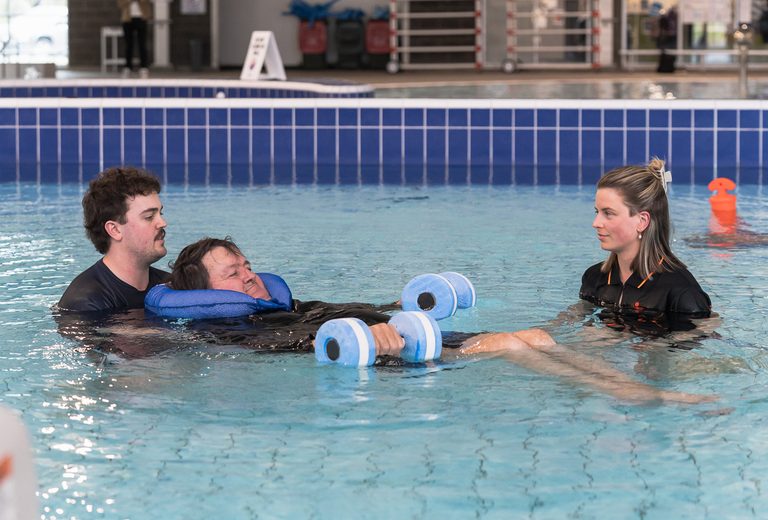
- Walking with light weights
- Coordination exercises
Each activity is carefully adapted to suit Michael’s needs, abilities, and even how he is feeling on the day. Importantly, the program is built around what he enjoys – particularly walking – helping him stay motivated and engaged. Alongside this, Michael attends regular physiotherapy sessions, with both disciplines working together to support his mobility, safety, and independence.
The Value of Consistency
Over time, the impact of familiar faces and regular routines has been significant. Trusted support workers and structured sessions not only encourage participation but also build confidence.
As his care team notes, “Having familiar support workers, repeated exercise routines, and structured sessions helps him better understand what is expected and encourages participation.”
Consistency also plays a key role in physical outcomes – supporting balance, stability, and strength through regular practice.
Changes Observed Over Time
While Parkinson’s disease and dementia are progressive conditions, the results of Michael’s ongoing support highlight the difference consistent care can make.
Since beginning his program:
- Michael has remained active and engaged in his sessions
- He has not experienced any falls since May 2025, despite a history of falls prior
- His weight has reduced from approximately 95 kg to 86.3 kg
- He continues to enjoy movement and participate in activities
His team reflects positively on these outcomes: “Overall… the ongoing exercise support has played an important role in maintaining his mobility, preventing falls and keeping him engaged and active in a safe environment.”
For Carmen, the changes go beyond physical health:
“Dad’s mobility has increased and he has been happier, more well and his mental health has improved.”
And the impact on daily life is meaningful:
“Dad’s mobility means he can move with comfort and ease, get out to the community more often… and live more independently.”
A Broader Reflection
Michael’s story is a reminder that even in the face of progressive conditions, thoughtful and tailored support can make a profound difference.
Through consistent care, personalised therapy, and familiar routines, it is possible to preserve not just physical ability – but dignity, confidence, and quality of life.
Supporting Goals Through Meaningful Care
At My Ability Pathway (MAP), there is a deep commitment to providing high-quality Supported Independent Living (SIL) supports that are centred around each individual. This means working alongside people like Michael to understand what matters most to them – whether that’s maintaining mobility, staying connected to community, or simply feeling comfortable in their daily routines.